Skip to content
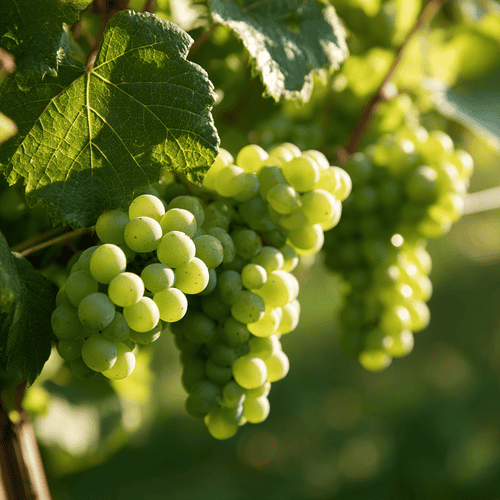
A close photo of a grape
NewFruitsBerries

Grape

Grapes are small, juicy fruits that grow in clusters on vines. Fresh table grapes are valued for their crisp texture and sweet-tart flavour, while other varieties are grown for wine, juice, or dried grapes.

Did you know ?

  • 1 Botanically, a grape is a berry.
  • 2 Table grapes are commonly bred for crisp texture and seedlessness.
  • 3 Grapes do not become sweeter after harvest, so they are picked when mature.

View other Berries

Nutrition

Detailed nutritional values of grapes

Section titled “Detailed nutritional values of ”

Values of 100g of raw seedless grapes :

Calories69 kcal
Proteins0.7g
Carbohydrates18.1g
of which sugars15.5g
Fiber0.9g
Fats0.2g

Vitamins and minerals

Main vitamins

Vitamin KVitamin CVitamin B6Thiamin

Main minerals and trace elements

PotassiumCopperManganeseMagnesium

Ripeness

How to know if a grape is ripe ?

Section titled “How to know if is ripe ?”
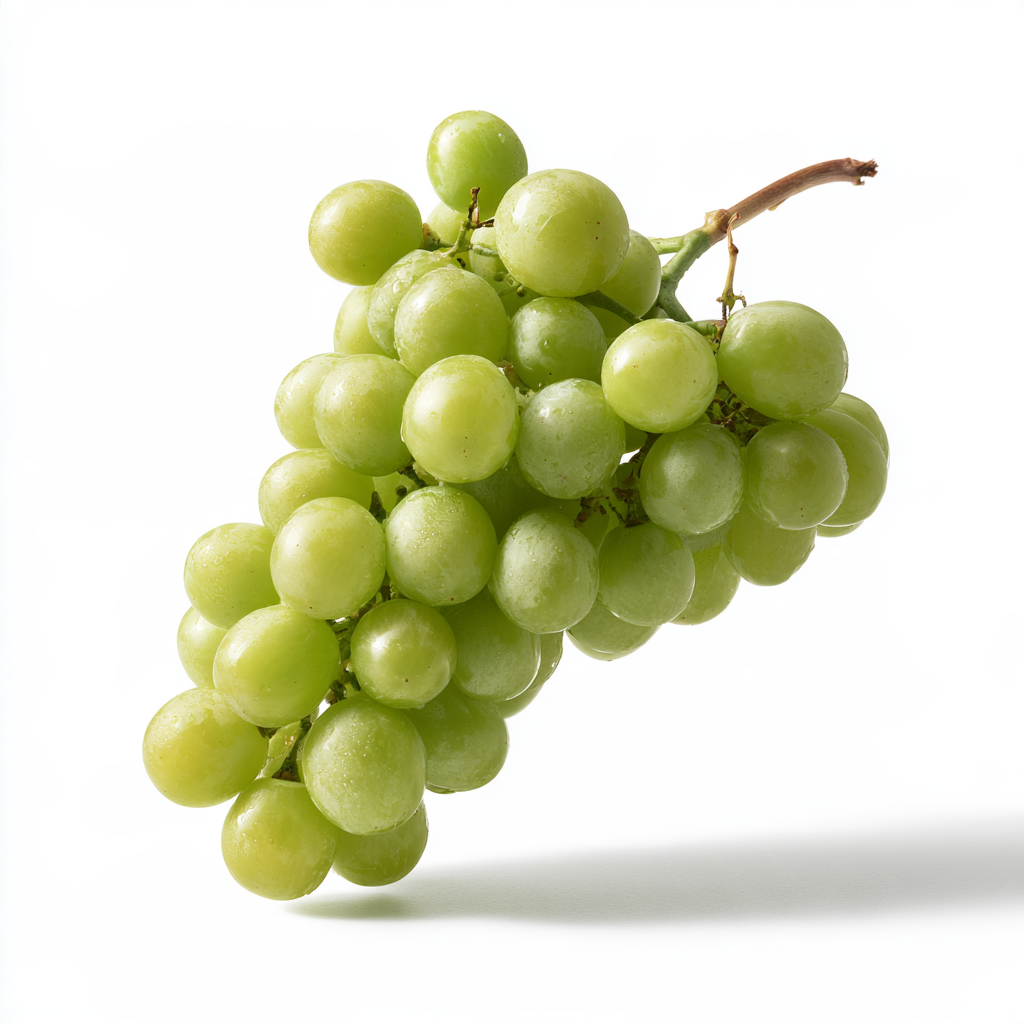
A perfectly ripe grape

Perfectly ripe

Ripe table grapes are plump, firmly attached to green stems, and have a flavour balanced for their variety.

How to recognize this state :

  • Plump, intact berries
  • Colour appropriate to the variety
  • Fresh-looking green stems
  • Berries attached securely to the cluster
  • Crisp or juicy texture
  • Sweet-tart flavour

Selection

To choose quality grapes at the supermarket or market :

  • Look for plump, firmly attached berries
  • Choose clusters with fresh-looking green stems
  • Select colour appropriate to the variety
  • Avoid sticky, leaking, shrivelled, or mouldy berries
  • Taste a grape when possible: it will not become sweeter after harvest

Storage and ripening

How to store and ripen grapes ?

Section titled “How to store and ripen ?”

How to store grapes ?

  • Keep unwashed grapes in the refrigerator.
  • Store them in a ventilated bag or container.
  • Rinse grapes under running water just before eating.
  • Remove damaged berries and inspect the cluster regularly.

How to ripen grapes ?

Grapes do not become sweeter after harvest, so select fruit that is already mature.

  • Keep grapes refrigerated to preserve their quality.
  • Use room temperature only briefly before serving.

Health

  • Provides vitamin K, a nutrient involved in normal blood clotting and bone health
  • Contains water and can contribute to fluid intake as part of a varied diet
  • Provides carbohydrate for energy
  • Contains small amounts of fibre as part of a varied diet

Origin

What is the origin of grapes ?

Section titled “What is the origin of ?”

Origins of grapes

Cultivated grapes are associated with the genus Vitis, especially Vitis vinifera. Grapes have long been grown around the Mediterranean and western Asia, and today are cultivated in many temperate regions for fresh eating, raisins, juice, and wine.

Regions of origin

  • Western Asia
  • Mediterranean basin

Recipes

Cook a grape according to its ripeness

Section titled “Cook according to its ripeness”

Unripe

  • Tart grape relish
  • Grape and cabbage slaw
  • Pickled grapes

Perfectly ripe

  • Fresh grape salad
  • Grape smoothie
  • Roasted grapes

Overripe

  • Grape compote
  • Grape jam
  • Grape sauce

Gallery

There is no images yet. Submit one now to contribute to the gallery !

Submit a picture

F.A.Q

Warnings

Warnings and precautions for grapes

Section titled “Warnings and precautions for ”
  • Wash grapes thoroughly before eating
  • Whole grapes can be a choking hazard for young children; cut them lengthwise into smaller pieces
  • Discard grapes with mould, an off smell, or clear signs of spoilage

Do not confuse with

Raisins

Raisins are dried grapes and are much more concentrated in sugars than fresh grapes.

Currants

Fresh currants are a different fruit, even though the word currant is also used for some dried grapes.