

Skip to content
New

About zucchinis

How to grow zucchinis

Everything you need to know to grow productive zucchini plants at home, even in a small garden bed or large pot.

Growing

45-65 days

Difficulty

Easy

Cost

$$$$$$

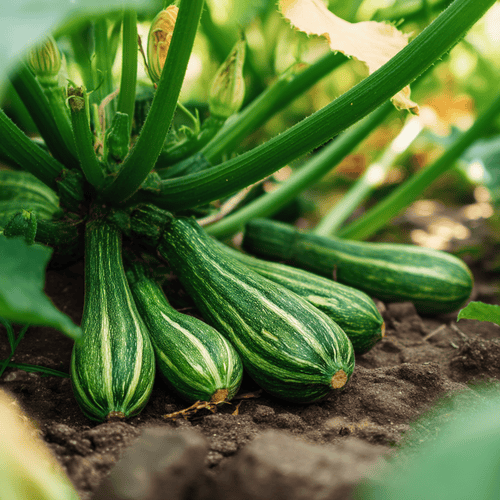
A close photo of zucchinis

Overview

Overview before growing zucchinis

Section titled “Overview before growing ”

Sunlight

Full sun with at least 6-8 hours of direct light per day.

Water

Consistent moisture, giving around 1-2 inches (2.5-5 cm) of water per week at the root zone.

Temperature

Warm-season crop that thrives in temperatures roughly between 70-90°F (21-32°C) and is very frost tender.

Spacing

Space plants 24-36 in (60-90 cm) apart, with 3-4 ft (90-120 cm) between rows or hills for good airflow and access.

Cultivation time

Expect the first harvest about 45-65 days after sowing once plants are established in warm soil.

Required climate

Zucchinis prefer a warm, frost-free season in full sun, with rich, well-drained soil and steady moisture for fast, vigorous growth.

Plantation yield

Each well-grown plant can produce many fruits over several weeks, and just a few plants are usually enough to supply a household.

Pot cultivation

Use a wide container at least 20-24 in (50-60 cm) across and 12-15 in (30-38 cm) deep, filled with rich, free-draining mix, set in full sun, and support or train plants to save space and keep fruits off the soil.

Growing requirements

What supplies do you need to grow zucchinis ?

Section titled “What supplies do you need to grow ?”
  • Zucchini seeds or healthy young transplants of a suitable summer squash variety
    Required
  • Rich, well-drained garden soil or quality vegetable potting mix with added compost
    Required
  • Balanced fertilizer or organic tomato/vegetable feed for flowering crops
    Required
  • Watering can or hose with gentle spray to provide regular, deep watering
    Required
  • Mulch (straw, compost, or shredded leaves) to keep soil moist and reduce weeds
    Optional
  • Stakes, small trellis, or cage plus soft ties for training plants more upright
    Optional
  • Row cover or insect netting to protect young plants from squash bugs and vine borers
    Optional
  • Pruning shears for removing old, damaged, or mildew-covered leaves
    Optional
Planting

How to plant zucchinis ?

Section titled “How to plant ?”

Plantation calendar

JAN
FEB
MAR
APR
MAY
JUN
JUL
AUG
SEP
OCT
NOV
DEC

Best time to plant

Still possible to plant

Not recommended

Planting zucchinis outside

  • 1Wait until all danger of frost is past and the soil is at least about 65°F (18°C), then choose a sunny, well-drained spot enriched with compost.
  • 2Form low mounds or rows and sow 2-3 seeds 1 in (2-3 cm) deep at each planting spot, spacing hills or plants 24-36 in (60-90 cm) apart.
  • 3Keep soil consistently moist until seedlings emerge, then thin to the strongest plant at each position once they have a few true leaves.
  • 4Install stakes or a small trellis early if you plan to train plants more upright, and mulch once the soil has warmed to conserve moisture and reduce weeds.
  • 5Weed lightly around plants as they grow, avoiding root disturbance, and ensure plenty of sun and airflow to minimize disease.
  • 6Succession sow a few extra seeds 2-3 weeks later if you want a long, staggered harvest and backup plants for pest or disease losses.

Pro tip: Warm soil and strong early growth are key—sow zucchinis only after nights stay mild, and avoid crowding so sun, airflow, and pollinating insects can easily reach flowers and developing fruits.

Planting zucchinis inside

  • 1Pick a large container at least 20-24 in (50-60 cm) wide and 12-15 in (30-38 cm) deep with good drainage holes.
  • 2Fill with a rich, free-draining vegetable potting mix blended with compost, leaving a few inches of space at the top.
  • 3Sow 2-3 seeds about 1 in (2-3 cm) deep in the center, water gently, and thin to the strongest seedling once plants have 2-3 true leaves.
  • 4Place the container in full sun and rotate it occasionally so all sides of the plant receive even light.
  • 5Add a stake or compact trellis and loosely tie stems as they grow to keep foliage and fruits off the soil and save space.
  • 6Monitor moisture daily in warm weather, watering whenever the top inch (2-3 cm) of mix feels dry, and feed regularly once flowering begins.

Pro tip: Container-grown zucchinis are heavy feeders and drinkers—use the biggest pot you can, water deeply, and give a steady supply of nutrients to keep plants pumping out tender fruits instead of stalling.

Plant care

How to take care of zucchinis ?

Section titled “How to take care of ?”

Watering

Water deeply and consistently, supplying about 1-2 inches of water per week and more in hot, dry weather, focusing on the soil at the base rather than overhead to keep leaves drier and reduce powdery mildew and other fungal problems.

Fertilizing

Mix compost or slow-release fertilizer into the soil at planting, then top up every few weeks with a balanced or slightly higher-potassium vegetable feed once buds and flowers appear to support continuous fruiting without excessive leaf growth.

Pruning

Remove yellowing, damaged, or heavily mildewed leaves as the plant fills out, trim a few crowded leaves around the center to improve airflow, and, if training vertically, limit side shoots and guide main stems up a stake or trellis.

Harvesting

How to harvest zucchinis ?

Section titled “How to harvest ?”

Time

Most zucchinis are ready to harvest about 45-65 days after sowing, with fruits developing rapidly once plants start producing.

Signs

Fruits are firm, glossy, and typically 6-8 in (15-20 cm) long for best flavor and texture, with tender skin that is not tough or seedy.

Harvest zucchinis often by cutting or twisting them off with a short piece of stem attached, checking plants every day or two in peak season so fruits do not become oversized and seedy; regular picking encourages plants to keep flowering and setting new fruits.

Problems & solutions

Common issues when growing zucchinis

Section titled “Common issues when growing ”

Powdery mildew

White, powdery coating on upper leaf surfaces, followed by yellowing and dieback.

Water only at the base, avoid wetting foliage, space plants for good airflow, remove badly infected leaves, and choose resistant varieties or use suitable organic fungicidal sprays if mildew recurs each year.

Squash vine borers

Sudden wilting of vines, frass at the stem base, and hollowed stems near soil level.

Use row covers over young plants until flowering, wrap lower stems or mound soil around them to deter egg laying, rotate crops, and cut out larvae from affected stems if caught early, then re-cover with soil to encourage re-rooting.

Squash bugs and cucumber beetles

Yellowing, stippled leaves, wilting, and feeding damage on young shoots and fruits.

Check leaf undersides for eggs and remove them, hand-pick adults and nymphs, use floating row covers before flowering, and encourage beneficial insects; in heavy infestations, targeted organic controls may be needed.

Blossom end rot and poor fruit set

Dark, sunken end on developing fruits or small fruits that shrivel and drop.

Maintain even soil moisture with deep, regular watering, avoid root damage and extreme fluctuations, ensure good pollination by attracting bees or hand-pollinating flowers, and keep soil nutrients balanced without excessive nitrogen.