

Skip to content
New

About spinach

How to grow spinach

Everything you need to know to grow productive spinach at home, with repeated harvests of fresh leaves in cool weather.

Growing

30-50 days

Difficulty

Easy

Cost

$$$$$$

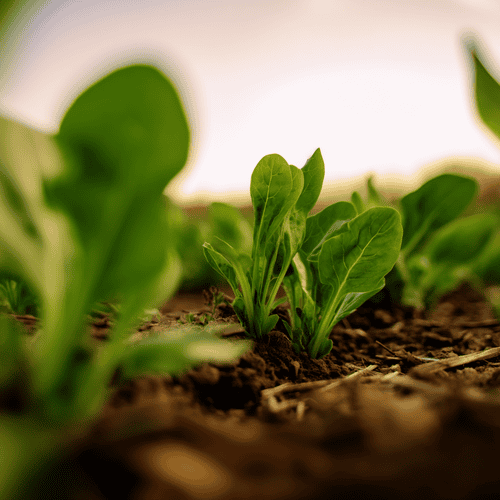
A close photo of spinach

Overview

Overview before growing spinach

Section titled “Overview before growing ”

Sunlight

4-6 hours of direct sun per day, with partial shade helpful in warm climates.

Water

Keep soil consistently moist with around 1 inch (2.5 cm) of water per week for fast, tender growth.

Temperature

Cool-season crop that grows best between about 45-70°F (7-21°C).

Spacing

Thin or plant seedlings 3-4 in (7-10 cm) apart in rows 10-12 in (25-30 cm) apart.

Cultivation time

Expect harvest in roughly 30-50 days from sowing for full-sized leaves, or earlier for baby-leaf salads.

Required climate

Spinach prefers cool spring and fall weather, rich, well-drained soil, and steady moisture so plants can grow quickly before summer heat triggers bolting.

Plantation yield

Small, repeated sowings can provide many cuttings of leaves, with a short row of plants giving several generous salads or cooked servings over the season.

Pot cultivation

Use a window box or container at least 6-8 in (15-20 cm) deep, filled with rich vegetable mix, sow fairly thickly, keep the compost moist, and harvest outer leaves regularly to encourage fresh growth.

Growing requirements

What supplies do you need to grow spinach ?

Section titled “What supplies do you need to grow ?”
  • Spinach seeds suited to your season (smooth-leaf, savoy, bolt-resistant, or heat-tolerant types)
    Required
  • Loose, fertile, well-drained garden soil or rich vegetable potting mix
    Required
  • Compost or balanced fertilizer with moderate nitrogen to support leafy growth
    Required
  • Watering can with a fine rose or gentle hose setting for even watering
    Required
  • Raised bed or wide containers for intensive spinach plantings
    Optional
  • Row cover or fleece to speed spring growth and protect from flea beetles and leaf miners
    Optional
  • Light organic mulch (straw, leaves, or compost) to keep soil cool and moist
    Optional
  • Hand rake or cultivator to make a fine seedbed and lightly weed between rows
    Optional
Planting

Plantation calendar

JAN
FEB
MAR
APR
MAY
JUN
JUL
AUG
SEP
OCT
NOV
DEC

Best time to plant

Still possible to plant

Not recommended

Planting spinach outside

  • 1Prepare a sunny to lightly shaded bed by loosening the top 6-8 in (15-20 cm) of soil and mixing in plenty of compost.
  • 2Rake the surface to a fine tilth, then mark shallow drills 0.5 in (1-1.5 cm) deep, spaced 10-12 in (25-30 cm) apart.
  • 3Sow seeds thinly along the drills about 1 in (2-3 cm) apart, cover lightly with fine soil, and firm gently.
  • 4Water with a very soft spray to moisten the top layer without washing seeds away, then keep soil consistently moist until seedlings emerge.
  • 5Thin seedlings gradually to 3-4 in (7-10 cm) apart, using thinnings as baby leaves while leaving enough space for remaining plants to fill out.
  • 6Make small follow-up sowings every 1-2 weeks during cool weather to maintain a steady supply of fresh leaves.

Pro tip: Sow early in spring and again in late summer rather than in peak heat—cool conditions, rich moist soil, and fast growth are the secrets to sweet, non-bitter spinach that resists bolting.

Planting spinach inside

  • 1Fill a box or container at least 6-8 in (15-20 cm) deep with a rich, well-draining vegetable mix.
  • 2Sow spinach seeds in tight rows or a grid pattern on the surface, cover with 0.25-0.5 in (0.5-1 cm) of mix, and firm lightly.
  • 3Water gently to settle the seeds and place the container in a bright but relatively cool spot with several hours of soft sun.
  • 4Keep the mix evenly moist, never letting it dry out completely, but avoid leaving pots standing in water.
  • 5Thin plants as needed so leaves are not overcrowded, harvesting the first baby leaves in cut-and-come-again style.
  • 6In warm weather, move containers to a spot with afternoon shade and cooler temperatures to slow bolting and extend harvests.

Pro tip: In containers, spinach is ideal for repeated cuttings—keep the compost cool and moist, thin promptly, and harvest outer leaves often to encourage continual regrowth from the center.

Plant care

How to take care of spinach ?

Section titled “How to take care of ?”

Watering

Water deeply and regularly so the soil stays consistently moist but not saturated, aiming for about 1 inch of water per week and more in sandy soils, and water at the base of plants to keep leaves drier and reduce downy mildew and leaf spot problems.

Fertilizing

Mix compost or a balanced organic fertilizer into the bed before sowing, then side-dress with a mild nitrogen source or thin layer of compost during growth if leaves pale or growth slows, supporting lush foliage without over-fertilizing.

Pruning

Thin crowded seedlings early to the recommended spacing, remove yellow, damaged, or diseased leaves as they appear, and harvest outer leaves first so the center of the plant can keep producing new growth.

Harvesting

Time

Most spinach varieties are ready to harvest about 30-50 days after sowing, or as soon as plants have formed a small rosette of well-sized leaves.

Signs

Leaves are 3-6 in (8-15 cm) long, thick and deep green, with no tall central flower stalk yet and only minimal yellowing or leaf damage.

Harvest spinach by pinching or cutting outer leaves at their base while leaving the inner crown intact for multiple pickings, or cut entire plants 1 in (2-3 cm) above the soil for a single larger harvest; pick early and often, especially before hot weather or bolting, then wash and chill leaves promptly to keep them crisp and sweet.

Problems & solutions

Common issues when growing spinach

Section titled “Common issues when growing ”

Downy mildew

Yellow patches on upper leaf surfaces with grayish-purple fuzz underneath.

Avoid overhead watering, give plants good spacing and airflow, choose resistant varieties when possible, rotate crops, and remove heavily infected leaves promptly to slow disease spread.

Aphids

Crinkled, sticky, curled leaves with clusters of small insects on undersides.

Inspect regularly, wash aphids off with a strong water spray, encourage natural predators like ladybirds, and use insecticidal soap or horticultural oil when populations remain high.

Leaf miners

Light-colored, winding tunnels and blotches within the leaf blade.

Pick and dispose of affected leaves as soon as damage appears, use row covers from sowing to prevent egg-laying, and rotate away from other susceptible leafy crops to reduce pressure.

Premature bolting

Rapid formation of a tall central flower stalk and smaller, more bitter leaves.

Grow spinach during cool parts of the year, keep soil consistently moist, provide light shade in sudden heatwaves, and harvest promptly once leaves reach usable size instead of leaving plants in the ground too long.