

Skip to content
New

About mangoes

How to grow mangoes

Everything you need to know to grow productive mango trees at home, from backyard orchards to sheltered patios and pots.

Growing

3-5 years

Difficulty

Moderate

Cost

$$$$$$

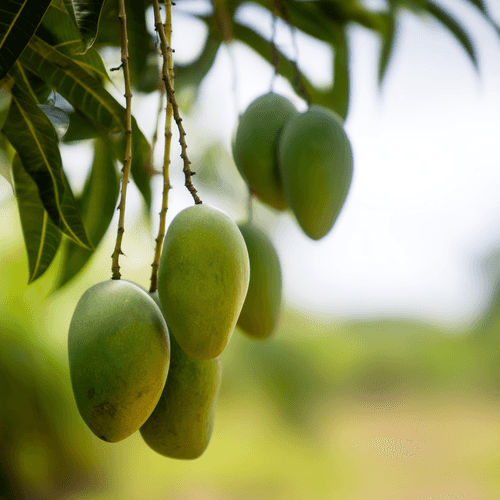
A close photo of mangoes

Overview

Overview before growing mangoes

Section titled “Overview before growing ”

Sunlight

At least 6-8 hours of strong, direct sun per day in a warm, sheltered, frost-free or frost-protected spot.

Water

Deep, regular watering, especially on young trees and during flowering and fruiting, keeping soil evenly moist but never waterlogged.

Temperature

Best growth in tropical to warm-temperate climates around 70-90°F (21-32°C) with no hard frost.

Spacing

Plant trees about 12-20 ft (3.5-6 m) apart depending on variety, pruning, and desired canopy size.

Cultivation time

Expect the first real harvest about 3-5 years after planting a young grafted tree, with heavier crops as the tree reaches full bearing age.

Required climate

Mangoes prefer a warm, frost-free climate with a cool, dry season, full sun, fertile, well-drained soil, and good protection from cold winds.

Plantation yield

A mature, well-managed mango tree can produce many dozens to hundreds of fruits per year under good home-garden conditions.

Pot cultivation

Choose a compact or dwarf variety in a very large, free-draining container with rich mix, full sun, strong support, and the ability to move the tree under cover in cool climates.

Growing requirements

What supplies do you need to grow mangoes ?

Section titled “What supplies do you need to grow ?”
  • Grafted mango tree of a suitable variety for your climate and space
    Required
  • Fertile, well-drained loamy soil or high-quality, free-draining fruit tree mix
    Required
  • Balanced fertilizer for fruiting trees, plus extra potassium during flowering and fruiting
    Required
  • Organic mulch (compost, straw, or bark) to protect shallow roots and conserve moisture
    Required
  • Strong stake or support to stabilize young trees in windy sites
    Optional
  • pH test kit to keep soil slightly acidic to neutral (around 5.5–7.0)
    Optional
  • Pruning tools for shaping the canopy and removing dead or diseased wood
    Optional
  • Frost cloth or covers to protect young trees from unexpected cold snaps in marginal climates
    Optional
Planting

Plantation calendar

JAN
FEB
MAR
APR
MAY
JUN
JUL
AUG
SEP
OCT
NOV
DEC

Best time to plant

Still possible to plant

Not recommended

Planting mangoes outside

  • 1Choose the warmest, sunniest, most sheltered spot you have with free-draining soil and room for the mature canopy.
  • 2Weed the area and dig a wide planting hole, loosening the soil and mixing in well-rotted compost if needed.
  • 3Set the mango tree so the top of the root ball is level with or just above the surrounding soil and the graft union stays above soil line.
  • 4Backfill with native soil, firming gently to remove air pockets, then water deeply to settle the roots.
  • 5Mulch around the tree out to the drip line, keeping mulch a few inches away from the trunk.
  • 6Stake the tree if it is tall or exposed, and protect young trees from frost and strong winds while they establish.

Pro tip: Plant mangoes in warm soil after the last frost has passed, and avoid low, cold pockets where cold air settles, as young mango trees are highly sensitive to freezing temperatures.

Planting mangoes inside

  • 1Select a dwarf or naturally compact mango variety and a very large, heavy container with generous drainage holes.
  • 2Fill the pot with a free-draining, nutrient-rich mix (such as a blend of quality potting soil, compost, and coarse sand or grit).
  • 3Position the tree at the same depth it was growing in its nursery pot, with the graft union above the mix.
  • 4Backfill and firm the mix gently, then water thoroughly so it settles closely around the roots.
  • 5Place the container in the sunniest, warmest location you have, and begin training the main stems so the canopy stays open and manageable.
  • 6Move the pot to a greenhouse, sunroom, or protected indoor spot before temperatures drop near freezing, and monitor moisture carefully year-round.

Pro tip: Potted mangoes need excellent light and warmth, fast-draining mix, and careful watering—avoid cold, soggy roots and give as much direct sun as possible to encourage flowering and fruiting.

Plant care

How to take care of mangoes ?

Section titled “How to take care of ?”

Watering

Water deeply and regularly during warm, dry weather and while trees are young or carrying fruit, allowing the topsoil to dry slightly between waterings but never letting the root zone sit in standing water.

Fertilizing

Feed mango trees through the growing season with a balanced or fruit-tree fertilizer, reducing high nitrogen once flowering begins and emphasizing potassium to support blossom and fruit development.

Pruning

Prune lightly each year after harvest to maintain a manageable height, open up the canopy, remove dead or crossing branches, and encourage strong, well-spaced fruiting wood.

Harvesting

Time

Most grafted mango trees begin producing usable crops about 3-5 years after planting, with main harvests typically from late spring to late summer depending on climate and variety.

Signs

Fruits have filled out with plump ‘shoulders’ near the stem, show variety-specific color changes, give off a sweet aroma, and feel slightly soft when gently squeezed.

Harvest mangoes on a dry day by cutting or snapping fruits with a short piece of stem attached, avoiding contact with the sap, then lay them in a single layer in the shade to finish ripening until they yield slightly to gentle pressure and develop full flavor.

Problems & solutions

Common issues when growing mangoes

Section titled “Common issues when growing ”

Anthracnose and other fruit rots

Black or dark sunken spots on flowers, young shoots, and ripening fruit, leading to poor set and rotten patches.

Prune to open the canopy for better airflow, avoid overhead watering during cool, humid periods, remove infected plant material, and use resistant varieties and appropriate fungicidal or organic sprays where disease pressure is high.

Powdery mildew on flowers and leaves

White, powdery coating on young leaves and flower panicles, causing blossom drop and distorted growth.

Improve air circulation, avoid excessive nitrogen that drives soft growth, and treat early with suitable fungicides or sulfur-based organic products if mildew frequently affects flowers and young fruit.

Sap-sucking insects (scale, mealybugs, aphids)

Sticky honeydew, sooty mold, and clusters of insects on shoots, leaves, and fruit stems.

Encourage beneficial insects, wash small infestations off with water, prune heavily infested twigs, and use horticultural oil or insecticidal soap to bring populations under control before they weaken the tree.

Poor fruit set or fruit drop

Plenty of flowers but few fruits developing, or small fruits dropping early.

Ensure trees have full sun, moderate watering (not waterlogged or drought-stressed) during flowering and fruiting, avoid heavy pruning or fertilizing during bloom, and protect flowers from cold or persistent rain where possible.