

Skip to content

About melons

How to grow melons

Everything you need to know to grow productive melon vines at home, from sunny garden beds to warm patios and large pots.

Growing

75-90 days

Difficulty

Moderate

Cost

$$$$$$

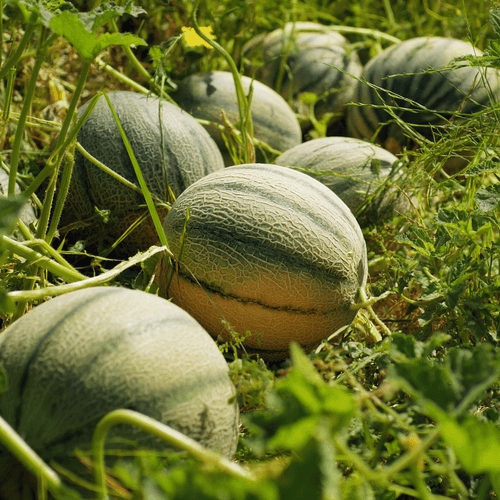
A close photo of melons

Overview

Overview before growing melons

Section titled “Overview before growing ”

Sunlight

At least 6-8 hours of strong, direct sun per day in a very warm, sheltered spot.

Water

Around 1-2 inches (2.5-5 cm) of water per week, with deep, infrequent watering and slightly less as fruits ripen.

Temperature

Best growth in warm climates with frost-free conditions and daytime temperatures above about 70°F (21°C).

Spacing

Space plants 18-36 in (45-90 cm) apart with 4-6 ft (1.2-1.8 m) between rows or mounds so vines can spread.

Cultivation time

Expect the first ripe melons about 75-90 days after sowing or transplanting into warm soil, depending on variety and weather.

Required climate

Melons prefer a long, warm growing season, full sun, and fertile, well-drained sandy or loamy soil that holds moisture without staying waterlogged.

Plantation yield

A healthy melon plant can produce several medium to large fruits per season, and a well-planned patch can supply many sweet, aromatic melons.

Pot cultivation

Use a very large container with rich, free-draining mix, a sturdy trellis or cage, full sun, regular feeding, and careful watering, supporting fruits in slings if grown vertically.

Growing requirements

What supplies do you need to grow melons ?

Section titled “What supplies do you need to grow ?”
  • Melon seeds or young transplants of suitable warm-season varieties
    Required
  • Fertile, well-drained sandy or loamy soil or a high-quality, free-draining vegetable mix
    Required
  • Balanced fertilizer (such as 10-10-10) and compost or well-rotted manure
    Required
  • Organic mulch or black plastic to warm the soil, conserve moisture, and keep fruits off bare ground
    Required
  • Sturdy trellis, fence, or cages to train vines vertically and save space
    Optional
  • Soaker hose or drip irrigation to deliver deep, consistent watering at the base
    Optional
  • Large containers (15-20+ gallons) with drainage holes for patio-grown melons
    Optional
  • Floating row covers or cloches for early-season warmth and protection from pests
    Optional
Planting

Plantation calendar

JAN
FEB
MAR
APR
MAY
JUN
JUL
AUG
SEP
OCT
NOV
DEC

Best time to plant

Still possible to plant

Not recommended

Planting melons outside

  • 1Choose the warmest, sunniest, and most sheltered spot you have with very well-drained, fertile soil.
  • 2Prepare wide planting mounds or rows by loosening the soil and mixing in plenty of compost or well-rotted manure.
  • 3Sow seeds into warm soil or set out hardened-off transplants after all frost has passed and nights have warmed.
  • 4Plant melons at the same depth as in their pots, firm soil gently around the roots, and water thoroughly to settle them in.
  • 5Mulch or use black plastic around plants to warm the soil, conserve moisture, and keep developing fruits off bare ground.
  • 6Train vines along the ground or up a trellis, spacing fruits and supporting larger melons if grown vertically.

Pro tip: Only plant melons into soil that has fully warmed in late spring or early summer, and avoid cold, heavy, or waterlogged ground, which can stunt vines and rot young roots.

Planting melons inside

  • 1Start melon seeds indoors 3-4 weeks before your last frost in small pots or modules filled with a free-draining seed mix.
  • 2Keep seedlings warm and bright, then harden them off gradually before moving them into a greenhouse, tunnel, or large outdoor containers.
  • 3Transplant into very large pots or grow bags with rich, free-draining compost, setting plants at their original depth.
  • 4Install a strong trellis, cage, or strings and gently train vines upward as they grow to save space and improve airflow.
  • 5Water regularly so the compost stays consistently moist, and mulch the surface to reduce evaporation and keep fruits clean.
  • 6Support developing melons in slings or on shelves and ensure good pollination by allowing insect access or gently hand-pollinating flowers.

Pro tip: For container or under-cover melons, warmth and even moisture are critical—keep roots warm, avoid waterlogging, and never let pots dry out completely during flowering and fruit swelling.

Plant care

How to take care of melons ?

Section titled “How to take care of ?”

Watering

Water deeply and consistently, aiming for about 1-2 inches of water per week, focusing on the root zone and avoiding wetting the foliage, then slightly reduce watering as fruits approach full size to concentrate sweetness and prevent splitting.

Fertilizing

Feed at planting with a balanced fertilizer and compost, then side-dress lightly once vines begin to run and again at early fruit set, avoiding excessive nitrogen that produces lush leaves with few or bland fruits.

Pruning

Remove weak or overcrowded side shoots, limit each plant to a manageable number of fruits, and trim away dead or diseased leaves to improve airflow and direct energy into ripening sweet, well-sized melons.

Harvesting

Time

Most melon varieties are ready to harvest about 75-90 days after transplanting or sowing in warm soil, and roughly 35-45 days after fruit set.

Signs

Fruits develop a rich variety-specific color, a creamy or yellow ground spot where they rest on the soil, a sweet fragrance, and on netted melons the stem may slip easily from the vine when gently lifted.

Harvest melons on a dry day by cutting or gently twisting the fruit from the vine, leaving a short stem attached where appropriate, handle them carefully to avoid bruising, and let them finish ripening in a warm, shaded place or chill just before serving for the best texture and flavor.

Problems & solutions

Common issues when growing melons

Section titled “Common issues when growing ”

Powdery mildew on leaves

White, powdery coating on older leaves, yellowing, and premature leaf dieback that exposes fruits to sunscald.

Improve spacing and airflow, avoid overhead watering, remove badly affected leaves, and use resistant varieties or suitable fungicidal or organic treatments if mildew appears regularly.

Fruit rot and splitting

Soft, sunken, or cracked areas on ripening fruits, often where they touch wet soil.

Keep fruits off bare soil with mulch, boards, or trays, water evenly without sudden heavy soakings near harvest, and pick ripe or nearly ripe melons promptly to avoid damage.

Aphids and cucumber beetles

Clusters of small insects on growing tips, distorted leaves, stippling, and possible virus spread.

Encourage beneficial insects, wash small infestations off with water, and use insecticidal soap, sticky traps, or row covers at vulnerable stages to reduce pest pressure and virus risk.

Poor fruit set or small melons

Lots of flowers but few fruits, or many undersized melons that stop growing.

Ensure plenty of sun and warmth, encourage pollinators or hand-pollinate flowers, avoid excessive nitrogen, thin young fruits so each vine ripens a limited number, and keep watering and feeding consistent during fruit development.