

Skip to content

About cucumbers

How to grow cucumbers

Everything you need to know to grow productive cucumber plants at home, even in a small garden bed or sunny balcony pot.

Growing

50-70 days

Difficulty

Easy

Cost

$$$$$$

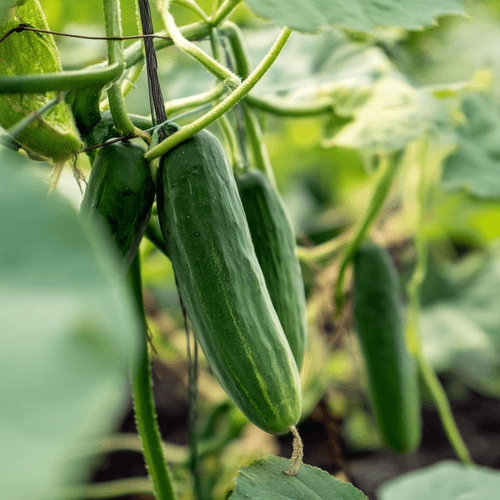
A close photo of cucumbers

Overview

Overview before growing cucumbers

Section titled “Overview before growing ”

Sunlight

At least 6-8 hours of direct sun per day in a warm, sheltered spot.

Water

Around 1-2 inches (2.5-5 cm) of water per week, more during very hot, dry weather.

Temperature

Warm-season plants that grow best between about 70-85°F (21-29°C) and are very sensitive to frost.

Spacing

Space plants 12 in (30 cm) apart on a trellis or 36 in (90 cm) apart if vines are left to sprawl on the ground.

Cultivation time

Expect your first harvest about 50-70 days after sowing or 35-60 days after transplanting strong seedlings into warm soil.

Required climate

Cucumbers prefer a long, warm, frost-free growing season with full sun, fertile, moisture-retentive but well-drained soil and steady watering.

Plantation yield

A healthy cucumber vine can produce many fruits over several weeks, and a small bed or trellis can supply regular pickings for salads and pickling.

Pot cultivation

Grow compact or vining types in a large container with a sturdy trellis or cage, using rich, free-draining mix, full sun, consistent watering, and frequent feeding.

Growing requirements

What supplies do you need to grow cucumbers ?

Section titled “What supplies do you need to grow ?”
  • Cucumber seeds or healthy seedlings of suitable slicing or pickling varieties
    Required
  • Fertile, well-drained loamy soil or high-quality vegetable potting mix
    Required
  • Balanced granular or liquid vegetable fertilizer plus compost or well-rotted manure
    Required
  • Organic mulch (straw, compost, or shredded leaves) to conserve moisture and suppress weeds
    Required
  • Sturdy trellis, netting, or cages to support climbing cucumber vines
    Optional
  • Drip irrigation or soaker hose to water at the base without wetting leaves
    Optional
  • Row covers or cloches to protect young plants from cool nights and pests
    Optional
  • Soft ties or garden clips and pruning shears for training and light pruning on trellises
    Optional
Planting

How to plant cucumbers ?

Section titled “How to plant ?”

Plantation calendar

JAN
FEB
MAR
APR
MAY
JUN
JUL
AUG
SEP
OCT
NOV
DEC

Best time to plant

Still possible to plant

Not recommended

Planting cucumbers outside

  • 1Choose a sunny, sheltered spot with fertile, well-drained soil that has warmed to at least about 65°F (18°C).
  • 2Mix compost and a balanced fertilizer into the top soil and, if desired, install a trellis or support before planting.
  • 3Sow seeds 0.5-1 in (1-2.5 cm) deep in small hills or along rows, or transplant hardened-off seedlings after all danger of frost has passed.
  • 4Space plants about 12 in (30 cm) apart at the base of a trellis, or 24-36 in (60-90 cm) apart if letting vines sprawl.
  • 5Water thoroughly after planting to settle soil around seeds or roots and then mulch once the soil has warmed.
  • 6As vines grow, gently guide and tie them to the trellis, removing any very low, damaged leaves to keep the base open and dry.

Pro tip: Do not plant cucumbers too early in cold soil—waiting for steady warmth and using a trellis for vertical growth leads to faster growth, cleaner fruit, and fewer disease problems.

Planting cucumbers inside

  • 1Select a large container (at least 5-10 gallons or 20-40 L) with drainage holes and a strong trellis, cage, or strings for climbing varieties.
  • 2Fill the pot with a rich, free-draining vegetable mix blended with compost and slow-release fertilizer.
  • 3Sow 2-3 seeds per pot and thin to the strongest seedling, or transplant one healthy young plant per container at its original depth.
  • 4Water well after planting and place the container where it receives 6-8 hours of direct sun and good warmth, such as a patio, balcony, or greenhouse.
  • 5Train vines up their support as they grow, tying them loosely and trimming only overcrowded or damaged side shoots that block airflow.
  • 6Check moisture daily in warm weather, watering when the top inch of mix feels dry, and feed regularly with liquid fertilizer once flowering begins.

Pro tip: Container-grown cucumbers dry out and use nutrients quickly, so give them a deep trellis, consistent watering, and frequent feeding for continuous harvests in a small space.

Plant care

How to take care of cucumbers ?

Section titled “How to take care of ?”

Watering

Water deeply and consistently, aiming for about 1-2 inches of water per week and more in very hot spells, directing water at the base of plants to keep leaves dry and reduce the risk of mildew and other fungal diseases.

Fertilizing

Incorporate compost and a slow-release fertilizer before planting, then feed every 2-3 weeks with a balanced liquid fertilizer, switching to a high-potassium feed once flowering and fruiting begin to support heavy yields without excess leafy growth.

Pruning

Remove yellowing or diseased lower leaves, trim congested side shoots on trellised plants if airflow is poor, and keep vines trained and supported so fruits hang freely and are easier to harvest and less prone to rotting on the soil.

Harvesting

How to harvest cucumbers ?

Section titled “How to harvest ?”

Time

Most cucumber varieties are ready to harvest about 50-70 days after planting, with fruits often ready 5-7 days after flowers open in warm conditions.

Signs

Cucumbers are firm, evenly colored for their type, with smooth skin, full but not swollen ends, and seeds that are still small and tender when you cut into a test fruit.

Harvest cucumbers frequently by cutting the stem with clean pruners or a knife, leaving a short stalk attached, and avoid pulling fruits which can damage vines; pick at the recommended size for the variety and do not let fruits become overripe or yellow, as regular picking keeps plants producing longer.

Problems & solutions

Common issues when growing cucumbers

Section titled “Common issues when growing ”

Powdery mildew

White, powdery patches on leaves and stems.

Improve spacing and airflow, avoid overhead watering, remove heavily affected leaves, and use resistant varieties or suitable fungicidal or organic treatments at the first signs of mildew.

Cucumber beetles

Striped or spotted beetles feeding on leaves and flowers.

Use row covers on young plants, hand-pick beetles, apply yellow sticky traps, and consider targeted biological or approved insect controls to reduce damage and disease transmission.

Bitter or misshapen fruit

Curved, stubby cucumbers with bitter taste.

Maintain steady soil moisture, avoid heat and drought stress, feed regularly without overdoing nitrogen, harvest on time at the right size, and ensure good pollination for evenly shaped fruits.

Root and stem rots

Wilting vines, yellowing leaves, and black or mushy stem bases.

Plant in well-drained soil or raised beds, avoid overwatering and cold, soggy ground, keep stems just above wet mulch, and rotate cucumbers with unrelated crops to reduce soil-borne diseases.