

Skip to content

About asparagus

How to grow asparagus

Everything you need to know to grow productive asparagus at home, from preparing a dedicated bed to harvesting sasparagus each spring for many years.

Growing

2-3 years

Difficulty

Easy

Cost

$$$$$$

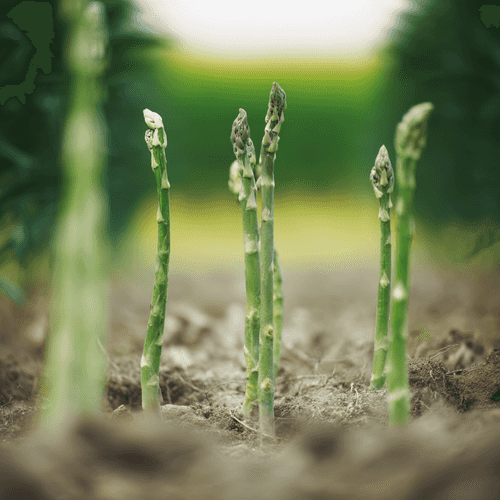
A close photo of asparagus

Overview

Overview before growing asparagus

Section titled “Overview before growing ”

Sunlight

At least 6-8 hours of direct sun per day in a dedicated, open bed.

Water

About 1-2 inches (2.5-5 cm) of water per week, especially in the first 2 years while plants establish.

Temperature

Best growth in cool to mild climates with soil warming to at least 50°F (10°C) in spring.

Spacing

Space crowns 12-18 in (30-45 cm) apart in rows 3-5 ft (90-150 cm) apart for long, wide beds.

Cultivation time

Expect light harvests 2-3 years after planting crowns, with full production and heavy spring picking from year 3 or 4 onward.

Required climate

Asparagus prefers a sunny, well-drained bed with fertile soil and cold winters that trigger dormancy, and it can remain productive for 10-15 years or more.

Plantation yield

A well-established asparagus bed can provide generous bunches of spears each spring over many weeks, supplying plenty for fresh eating and freezing.

Pot cultivation

Use a deep, large container with rich, free-draining mix, full sun, and regular feeding and watering, but expect lower yields and a shorter lifespan than in an in-ground bed.

Growing requirements

What supplies do you need to grow asparagus ?

Section titled “What supplies do you need to grow ?”
  • Healthy 1- or 2-year-old asparagus crowns or quality seeds
    Required
  • Deep, well-drained bed with fertile, loosened soil enriched with compost or well-rotted manure
    Required
  • Balanced organic or slow-release vegetable fertilizer for perennial beds
    Required
  • Organic mulch (straw, shredded leaves, or compost) to retain moisture and suppress weeds
    Required
  • Soil thermometer to check spring soil temperature before planting crowns
    Optional
  • Soaker hose or drip irrigation to water at the base without wetting foliage
    Optional
  • Garden fork or broadfork for deep soil preparation and removing perennial weeds
    Optional
  • Row markers, stakes, or low fencing to protect the asparagus bed and mark permanent rows
    Optional
Planting

How to plant asparagus ?

Section titled “How to plant ?”

Plantation calendar

JAN
FEB
MAR
APR
MAY
JUN
JUL
AUG
SEP
OCT
NOV
DEC

Best time to plant

Still possible to plant

Not recommended

Planting asparagus outside

  • 1Choose a sunny, weed-free bed you can dedicate to perennial asparagus for many years, with deep, well-drained soil.
  • 2Loosen the soil deeply and mix in plenty of compost or well-rotted manure to build long-term fertility.
  • 3Dig a trench 8-10 in (20-25 cm) deep and about 12 in (30 cm) wide, forming a low soil ridge along the center.
  • 4Set each crown on the ridge, buds facing up, spreading roots evenly, and spacing crowns 12-18 in (30-45 cm) apart in the row.
  • 5Cover crowns with 2-3 in (5-8 cm) of soil, water thoroughly, then gradually backfill the trench as shoots grow during the first season.
  • 6Mulch the bed to conserve moisture and suppress weeds, and avoid harvesting spears in the first season so plants can establish strong roots.

Pro tip: Take time to thoroughly remove perennial weeds and prepare rich, well-drained soil before planting, because asparagus beds are long-lived and hard to renovate once the crowns are established.

Planting asparagus inside

  • 1Start asparagus from crowns or seeds in deep, large containers (at least 40-50 L) with drainage holes.
  • 2Fill pots with a high-quality, free-draining vegetable mix enriched with compost, leaving room at the top to add more mix as crowns settle.
  • 3Place crowns so buds sit a few inches below the surface, spread roots out, and backfill with mix, watering well to settle.
  • 4Position containers in full sun against a warm wall or fence and protect them from strong drying winds.
  • 5Mulch the surface to keep roots cool and moist, and check water frequently because pots dry faster than in-ground beds.
  • 6Allow plants in containers to establish for at least one full growing season before taking a very light harvest the following spring.

Pro tip: Container-grown asparagus is best treated as a shorter-term crop: use deep, generous pots, keep moisture and feeding consistent, and be ready to refresh or replant crowns after a few productive years.

Plant care

How to take care of asparagus ?

Section titled “How to take care of ?”

Watering

Water deeply and consistently, providing about 1-2 inches of water per week during the growing season, especially in the first 2-3 years, and always water at the base to keep spears and foliage as dry as possible.

Fertilizing

Feed asparagus in early spring and again after the harvest period with compost and a balanced fertilizer, as this heavy-feeding perennial needs regular nutrients to build strong crowns and produce thick spears year after year.

Pruning

Allow spears to grow into tall ferny foliage after harvest, then cut the dry, yellow-brown ferns back to ground level in late fall or winter and remove them from the bed to reduce overwintering pests and diseases.

Harvesting

How to harvest asparagus ?

Section titled “How to harvest ?”

Time

Most asparagus beds are ready for a light harvest in the second or third spring after planting crowns, with full 6-8 week harvests once plants are fully established.

Signs

Spears are 6-8 in (15-20 cm) tall, firm, and straight with tightly closed tips, and new spears keep emerging steadily from the crowns.

Harvest asparagus in the cool of the morning by cutting or snapping spears at or just below soil level when they reach harvest height, pick every 1-2 days during the main season, and stop harvesting when most new spears are thinner than a pencil so plants can regrow their ferns and recharge for next year.

Problems & solutions

Common issues when growing asparagus

Section titled “Common issues when growing ”

Asparagus beetles

Small beetles and striped or spotted larvae feeding on spears and ferny foliage, causing scarring and bent tips.

Hand-pick beetles and larvae early, remove old ferns in winter to reduce overwintering sites, encourage beneficial insects, and use targeted organic controls if infestations become heavy.

Asparagus rust

Orange, yellow, or brown pustules on stems and foliage, leading to yellowing, drying, and weak plants.

Grow resistant varieties, avoid overhead watering, remove and destroy infected ferns at season’s end, and improve spacing and airflow to keep foliage dry.

Crown and root rot

Poor emergence, weak, thin spears, yellowing ferns, and crown tissue that is brown and mushy.

Ensure excellent drainage with raised beds or light soil, avoid overwatering and waterlogged conditions, rotate away from wet spots, and replant only in well-drained, disease-free soil.

Weed competition

Thick weed growth in the bed, reduced spear size and number, and difficulty cutting spears cleanly.

Prepare a clean, weed-free bed before planting, use generous mulch to smother annual weeds, hand-weed carefully around crowns, and avoid deep cultivation that can damage shallow roots.